


The fact that we are burdened with financial debts has long become an axiom. This statement is so evident that it is accepted without controversy or question. But how can we reduce our debts? Here, we will discuss will cover five ways to reduce debts.
📖 Key takeaways
- Before you employ these strategies, you need to estimate the exact size of your debt. The elimination of your debt must know how much you owe, how much interest you pay, what is the payment due date, and to whom you make it.
- To know to whom you owe money is especially important if you have one of the so-called white label cards produced by one company and marketed by another.
- It is crucial to make minimum payments on all debts while focusing on high-interest debt to reduce overall interest payments.
Why are We in Debt?
Debts have long become the unwholesome reality of our everyday lives. We start our debt-accumulating career in our mid-twenties and learn to juggle a mortgage, car payment, and student loans quite dexterously by our early thirties. With no one escaping this sad financial lot, the difference between us is only in the number of our debts rather than in their kind.
How Much Debts People Accumulate?
Some people have more dire circumstances than others and incur more significant debts. Yet, according to Statista, consumer debt balance in the United States peaked in 2023 at roughly $104,200. This is not a trivial amount that can be treated lightly or quickly paid off. It is too much debt that requires attention.

Reasons for Debts
There are roughly two different, if interconnected, reasons for our running up debts on our credit cards. One arises from how the country and the banking systems function these days. Another lies in our response to how they function.
Western society is characterized by the absolute trust that people place in banks. Even with the repeated collapse of banks they have witnessed, people continue actively using credit cards. Nobody walks around with large amounts of cash to make purchases or keeps money stored at home, as people do in countries where banks are deemed less reliable.
Reduced salaries also increase debts. Although we earn less, the social pressure to make purchases remains strong. We want to live up to others’ expectations and thus fall deeper into a budget deficit.
Credit Card Debt
Additionally, credit card debt is a significant part of the financial burdens many people face, adding to the complexity of managing multiple obligations. Also, managing multiple credit accounts can complicate debt repayment.
People readily swipe their cards, encouraged by the disappearance of restrictions on lending. Indeed, with the breakdown of the former stricter lending rules, banks can make more money lending on credit cards than they used to years ago. They also seduce people into spending more by issuing rewards credit cards, not explaining to them, however, that rewards often entail financial risks and pitfalls. Another encouragement to use credit cards comes from generous bankruptcy laws. The state allows people to annihilate their debts in bankruptcy. Understanding one’s credit history is crucial to managing debt effectively.
With this convenient backup in mind, people feel less hesitant to take loans and incur debts because they know they can escape the debt pit.
However, this is not to say that the reasons for our financial difficulties are ineradicable because they are ingrained in our culture and psychology. Whatever heavy financial burdens we carry, they can always be lighter.
There are proven methods to reduce debts that have helped thousands of people feel less overwhelmed by their financial troubles.
1. Before Everything Else: Assess Your Debts

Assessing your debt is a crucial step in getting out of debt. It involves calculating your total debt, understanding your credit report, and identifying areas for improvement. Knowing exactly where you stand financially can be empowering and is the first step towards taking control of your debt.
Calculate Your Total Debt
To calculate your total debt, start by gathering all your financial documents, including credit card statements, loan papers, and any other debt-related documents.
So, first, you must make a comprehensive list of all your debts, noting the balance, interest rate, and minimum payment for each one.
A debt calculator or a spreadsheet can help you organize this information and get a clear picture of your total debt. This step is essential because it allows you to see the full scope of your financial obligations and plan your repayment strategy accordingly.
Review Your Credit Report
Review your credit report to ensure it’s accurate and up-to-date. This step is crucial in preparing to get out of debt, as it provides an overview of your current financial standing.
Start by obtaining a free copy of your credit report from each of the three major credit bureaus—Equifax, Experian, and TransUnion—through AnnualCreditReport.com. Once you have your reports, analyze them for any errors or discrepancies that could negatively impact your credit score. Look for inaccuracies in your personal information, accounts that don’t belong to you, incorrect balances, or erroneous late payments. If you find any errors, promptly dispute them with the credit bureau to have them corrected.
Additionally, reviewing your credit report allows you to assess your credit utilization ratio, which is the percentage of your total available credit that you’re using. Keeping this ratio below 30% can positively influence your credit score. Understanding your credit history, including your payment history and the age of your credit accounts, can help you identify areas for improvement.
Identify Areas for Improvement
Identify areas where you can cut back on spending to allocate more money towards debt repayment. Start by analyzing your monthly expenses to determine which costs are essential and which are discretionary. Essential expenses include housing, utilities, groceries, and transportation, while discretionary expenses may include dining out, entertainment, and subscription services. By distinguishing between these categories, you can make informed decisions on where to reduce spending.
Additionally, look for opportunities to save on necessary expenses. For instance, you can negotiate with service providers for lower rates on bills like cable or internet or switch to more cost-effective alternatives. You might also consider meal planning and cooking at home more often to save on food costs.
By making these adjustments, you can free up extra money each month to put towards your debt. This proactive approach not only helps you manage your current financial obligations but also sets you on a path to improve your overall financial health and credit score. Remember, the goal is to create a sustainable plan that allows you to pay off your debts faster without compromising your quality of life.
Once you have clearly seen the size of your debt, you can start working on minimizing it.
2. Create a Budget and Repayment Plan
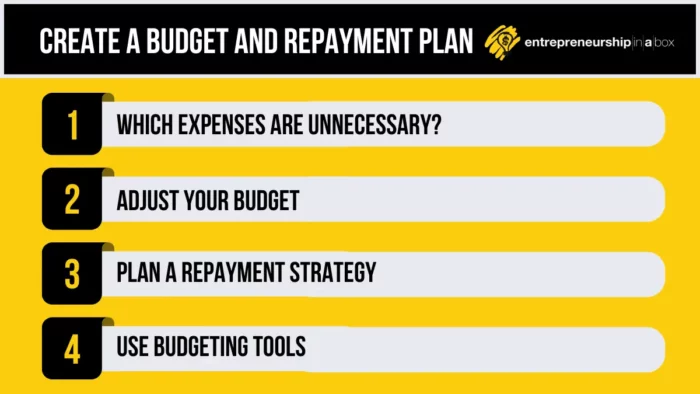
The second step is to look at your budget. If you don’t have created one, start now. It is important to look at the other side of debt, your income, and how much money you have available to get out of debt.
Which Expenses Are Unnecessary?
Once you gain a clear picture of how much you spend a month, decide which of your expenses are unnecessary. The goal is not to reduce your expenses to a bare minimum and starve yourself. No drastic or dramatic changes in your lifestyle are required. What you need to do is make a small adjustment to your budget and eliminate those expenses that would not negatively affect your well-being. Added up, small expenses that you forgo will make a big difference to your budget. Cutting down on these expenses can also help manage and reduce too much debt.
Refraining from buying a takeaway meal every week will save you a handsome amount of money by the end of the month, with which you will be able to pay one of your bills. If you go to a gym, sign up for Beachbody On-Demand instead. This streaming service will allow you to work out whenever you want in the comfort of your home for a lesser price with such celebrity trainers as Shaun T, Tony Horton, and Autumn Calabrese. But do not be overzealous with your budget reductions. Give yourself room to breathe for emergency occurrences.
Adjust Your Budget
Once you’ve identified your discretionary spending, consider implementing a budgeting strategy such as the 50/30/20 rule, where 50% of your income goes to essentials, 30% to discretionary spending, and 20% to savings and debt repayment.
Begin by ensuring you have enough money each month to cover your essential expenses, such as rent or mortgage, utilities, and food. Once these necessities are accounted for, you can allocate any remaining funds toward debt repayment.
To get out of debt, start by cutting back on unnecessary expenses. This includes reducing discretionary spending on items such as dining out or subscription services you can live without. This approach can help you prioritize debt reduction while still allowing for some flexibility in your budget.
So, ensure that your budget prioritizes essential expenses and eliminates non-essential costs to allocate more money toward debt repayment. Consider using the 50/30/20 budgeting rule to better manage your finances.
Plan a Repayment Strategy
Start by deciding which debts to pay off first.
Develop a repayment strategy to get out of debt systematically. You can choose between the debt snowball method, developed by financial expert Dave Ramsey, which focuses on paying off the smallest debts first.
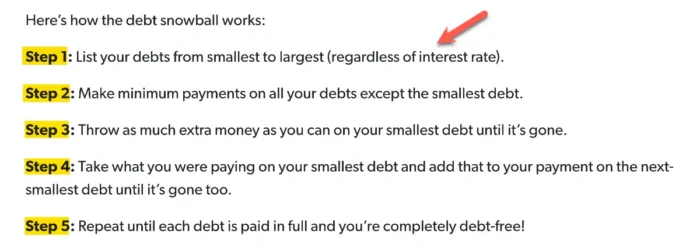
Or, you can use the debt avalanche method, which targets debts with the highest interest rates to save on interest payments. Both methods require a clear timeline and consistent monthly payments.
Whichever method you choose, make sure to set a realistic timeline and stick to it. Determine how much you can afford to pay each month and make those payments consistently. By having a clear plan in place, you can stay motivated and track your progress as you work towards becoming debt-free.
Related: 9 Personal Finance Tips Everyone Should Hear
Use Budgeting Tools
Consider using a budgeting app to track your expenses and stay accountable to your financial goals. These tools can help you monitor your spending habits, identify areas for improvement, and ensure you are sticking to your repayment plan.
3. Manage Your Monthly Payments

When you have your budget according to the appropriate budgeting strategy, now is the time to work on getting out of debt.
To reduce your debt, it is not enough to understand how much you owe to your bank or credit union. You should also have a clear picture of how much you spend a month on your other needs in addition to the payments on your debt.
Know Your Monthly Re-Payments
You should count all your monthly expenses, including rent, car, health insurance, utilities, food, and regular spending on clothes and entertainment. Understanding your monthly debt repayments can help you better manage your overall budget. When you add all these expenses up, subtract the figure you have received from your monthly salary. The amount that remains after the subtraction can be used to repay your debt each month unless, of course, you would like to put it toward savings.
To track your costs most accurately, study your credit card bills for the whole previous year. It will also help if you develop a habit of tracking your expenses with financial software or at least a notebook.
Pay More Than the Minimum
Paying more than the minimum is a great way to pay less interest and get out of debt faster. Making extra payments whenever you can will reduce the total interest paid over time and get you debt-free sooner.
Use a debt repayment calculator to see how much you can save by paying more than the minimum. This will reduce your credit card balances and manage high-interest debt.
Lower Your Bills and Put the Savings Towards Debt Repayment
Negotiate with service providers to lower your bills, and you can put more towards debt repayment. Use any savings to increase your debt repayment and pay off debts faster.
By tracking your spending, you can make sure you are on track to reduce debt and improve your financial situation. This will manage your monthly payments and overall money management.
4. Debt Consolidation Loan
First and foremost, think of consolidating your debts. If you have numerous loans with various amounts of interest, it is more practical to take out a new loan with which you will be able to pay your unsecured debts. When you consolidate your debts, you combine all your loans into a single, large piece of debt that usually has a lower interest rate and lower monthly payments. Consolidating credit card balances can simplify debt management by lowering interest rates and making payments more manageable.
What is particularly attractive in debt consolidation is that it can be applied to any type of debt. Whatever debts you have – car loan, student loan, appliance loan, or personal loan – they can be easily consolidated into one. Banks and credit unions, desirous of seeing these loans paid, will gladly allow you to bring them all together, thus increasing the probability of their repayment. Having one monthly payment to manage can also make it easier to stay on top of your finances and pay off your debts more quickly.
5. Debt Settlement
Debt settlement is one of many ways to get out of debt, and maybe for those who are way behind on their credit card payments. You should weigh this against other options like debt consolidation or credit counseling to see what’s best for your situation and long-term goals.
Debt settlement is negotiating with creditors to reduce the amount owed. This is an option for those with too much debt and can’t make their monthly payments. By working directly with your creditors, you may be able to lower the total debt amount and make your monthly payments more manageable.
But it’s important to know the pros and cons of debt settlement as it can affect your credit score and credit history. While it will give you immediate debt relief, it can also hurt your credit report and make it hard to get future loans.
Use a debt settlement company to negotiate with creditors on your behalf. They have experience with debt collectors and can get a better settlement. But be careful and research any debt settlement company thoroughly to avoid scams and make sure they have a good reputation.
6. Bankruptcy
The last thing you can take if you can’t ensure minimum payments is bankruptcy.
Pros and Cons of Personal Bankruptcy
Get to know the pros and cons of filing for personal bankruptcy and how it will affect your credit score. Filing for bankruptcy can be a fresh start for those drowning in debt but it’s a big decision not to be taken lightly.
Pros of Bankruptcy
- Debt Discharge: Bankruptcy can discharge many types of unsecured debt, credit card debt, medical bills and personal loans, and big debt relief.
- Automatic Stay: Once you file for bankruptcy, an automatic stay goes into effect, all collection activities will stop, lawsuits, wage garnishments, and phone calls from creditors.
- Fresh Start: Bankruptcy gives you a chance to rebuild your financial life without the weight of too much debt, so you can focus on fixing your financial health and credit score over time.
Cons of Bankruptcy
- Credit Score Impact: Filing for bankruptcy will hit your credit score big time and will be on your credit report for up to 10 years, making it hard to get future loans or credit.
- Asset Liquidation: Depending on the type of bankruptcy, you may have to liquidate assets to pay creditors, which could mean selling valuable items.
- Public Record: Bankruptcy filings are public records, so your financial struggles will be public and can affect your personal and professional reputation.
- Limited Discharge: Not all debt can be discharged in bankruptcy, such as student loans, tax debt, and child support obligations. Also, eligibility requirements for Chapter 7 and Chapter 13 bankruptcy are different, and not everyone qualifies.
What Are the Main Types of Personal Bankruptcy?
Chapter 7 involves liquidating assets to pay off debts, which can help reduce debt quickly but may impact your credit history. It’s a form of debt relief that discharges unsecured debts like credit card debt and medical bills.
Chapter 13 involves creating a repayment plan to pay off debts over time, allowing you to keep your assets while managing monthly payments. This plan can improve your credit utilization ratio and help you regain financial control.
7. Avoid Scams
When you’re desperate to reduce debt, it’s easy to fall prey to scams that promise quick fixes. Here are some common scams and tips on how to avoid them:
- Debt Settlement Scams: Some companies promise to negotiate with creditors on your behalf but charge high upfront fees without delivering results. To avoid this, research the company thoroughly, check its Better Business Bureau rating, and ensure the American Fair Credit Council accredits it.
- Loan Modification Scams: Scammers may offer to modify your loan terms for a fee, but legitimate lenders don’t charge upfront fees for modifications. Always contact your lender directly to discuss modification options.
- Credit Repair Scams: These scams promise to improve your credit score quickly, often using illegal tactics. Remember, no one can legally remove accurate negative information from your credit report. Work with reputable credit counseling agencies instead.
- Advance Fee Loan Scams: Be wary of lenders who guarantee approval for loans regardless of your credit score, especially if they ask for fees upfront. Legitimate lenders evaluate your credit history before approving loans.
- Phishing Scams: Scammers may pose as legitimate financial institutions to steal your personal information. Always verify the identity of the person or company contacting you, and never share sensitive information via email or phone.
How to Protect Yourself
Here are some steps you can take to protect yourself from the scammers:
- Research and Verify: Before engaging with any debt relief company, research their reputation and verify their credentials. Look for reviews and complaints online.
- Avoid Upfront Fees: Be cautious of companies that demand upfront fees for services. Legitimate services typically charge after providing assistance.
- Check for Accreditation: Ensure the company is accredited by reputable organizations like the National Foundation for Credit Counseling (NFCC).
- Read the Fine Print: Before signing, carefully review all contracts and agreements to ensure you understand the terms and conditions.
- Trust Your Instincts: If something seems too good to be true, it probably is. Trust your instincts and seek advice from trusted financial advisors or credit counselors.
What to Do If You Paid a Scammer
Report the scam to the Federal Trade Commission (FTC) and your state’s Attorney General’s office to protect yourself and others from fraudulent activities. Also, consider using a credit counselor to help you stay accountable and manage your debts effectively.
8. Track Your Progress Continuously
Be sure also to track your progress continuously. This does not mean that you need to turn into Ebenezer Scrooge and start obsessing with your money, agonizing over every coin and every bill you receive.
However, revising your progress every several months will help you see how much of your debt has already been reduced and will motivate you to go further. Additionally, monitor your credit utilization ratio to see how it impacts your credit score and debt management. Brace yourself up for a rather long journey. It often takes more time to wipe out a debt than to contract it.
9. Reward Yourself for Your Discipline with Credit Counseling
Do not surrender to the temptation to reward yourself for your discipline and successful debt repayment. All of us make this all-too-human mistake of splashing on expensive items when we see that our strategies have brought the desired results. It is easy to sink back into debt as soon as we get out of it. Considering debt settlement as a strategy to manage and reduce your debt effectively can help you stay on track. You will regret if a couple of purchases will bring you back to square one.


