
One of the most crucial business functions today is listening. However, listening only because listening is not something that will solve all of your problems. You need to transform your listening into learning if you want to know what to do next.
We often find ourselves in a situation where we learn something new from listening. But, the right question is, what do we really do with what we have learned? If we don’t change something in our behavior, it doesn’t mean we have learned something new.
So, the end step here will need to be the activity or implementation of what we have learned. Here I want to talk a little bit about these three important things for entrepreneurs: listening, learning, and actions resulting from listening and learning. Also, some tools will help you to implement a more systematic process to succeed.
The First Step is Listening
Do you listen to your customers?
Do you listen to your broader community where your business operates?
One old saying goes like this: God gave us two ears and one mouth, and we need to use them in direct proportion.
As an entrepreneur, this means that you need to listen twice more than you are speaking. I know that you always want to say more to your customers. Or to explain more to your employees. Also, I know that you want to say something more to your employees and team members. But, sometimes, you need to listen to them. You can not predict everything. You need to know their feelings, wants, needs, and how they live. Also, you will know more about them if you listen to them. This will help you manage your small business more efficiently.
Only in such a way can you transform your listening skills into learning and knowledge. This will give you more power in decision-making and action-taking. So, in the end, everything you learn from listening will become your experience and additional skills. This will increase your business’s potential energy as an entrepreneur.
Related: 10 Smart Skills You Will Need Now as an Entrepreneur
How to Start Listening?
If you want to succeed, you must implement a systematic approach for your listening function. You can not be everywhere with everyone at the same time. So, here we will cover some tools you can use to improve your listening skills and find important information for your small business.
Related: 4 Steps Business Idea Generation Process in Entrepreneurship
Using Google Alerts for Listening
One of the easiest ways to start listening is to use Google alerts. This is a Google tool you can use to find new and interesting content for you. Simply, this tool monitors the whole webspace and finds content related to predefined keywords.
So, start using Google alerts with specific keywords and phrases about you, your business, your products and services, your competitors and their products and services, or everything connected in some way with your industry. In such a way, whenever someone talks about these things, you will know about them as quickly as possible.
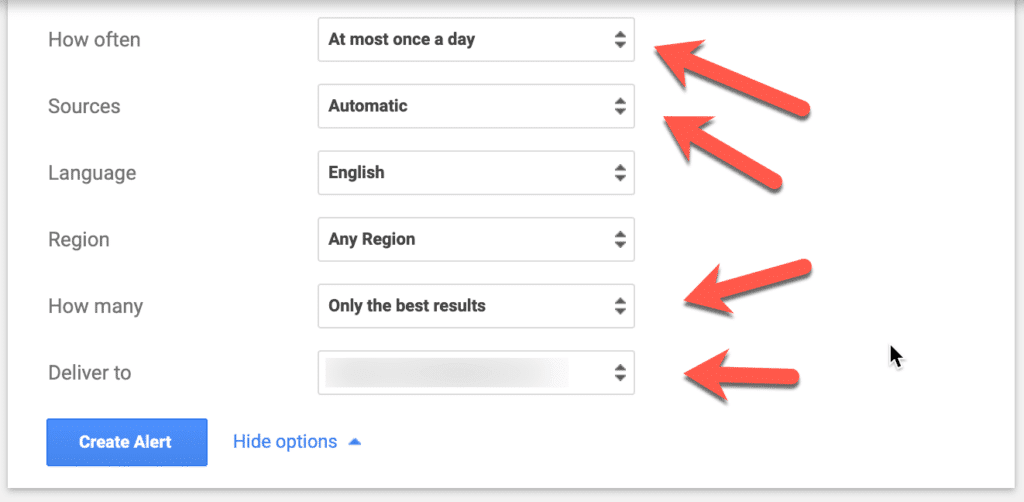
The information you will get in your email is according to the settings you have chosen. For example, you can select how often you want to get the info, and I usually select once weekly. Also, you can select the sources, language, region, and how many sources you will get.
AgoraPulse to Listen on Social Media
Most of the conversion today occurs on social media sites like Facebook, Twitter, Instagram, and other social media platforms. Don’t forget them. There you can find any information about your customers, competitors, competitors’ customers, what they like, what they dislike, etc.
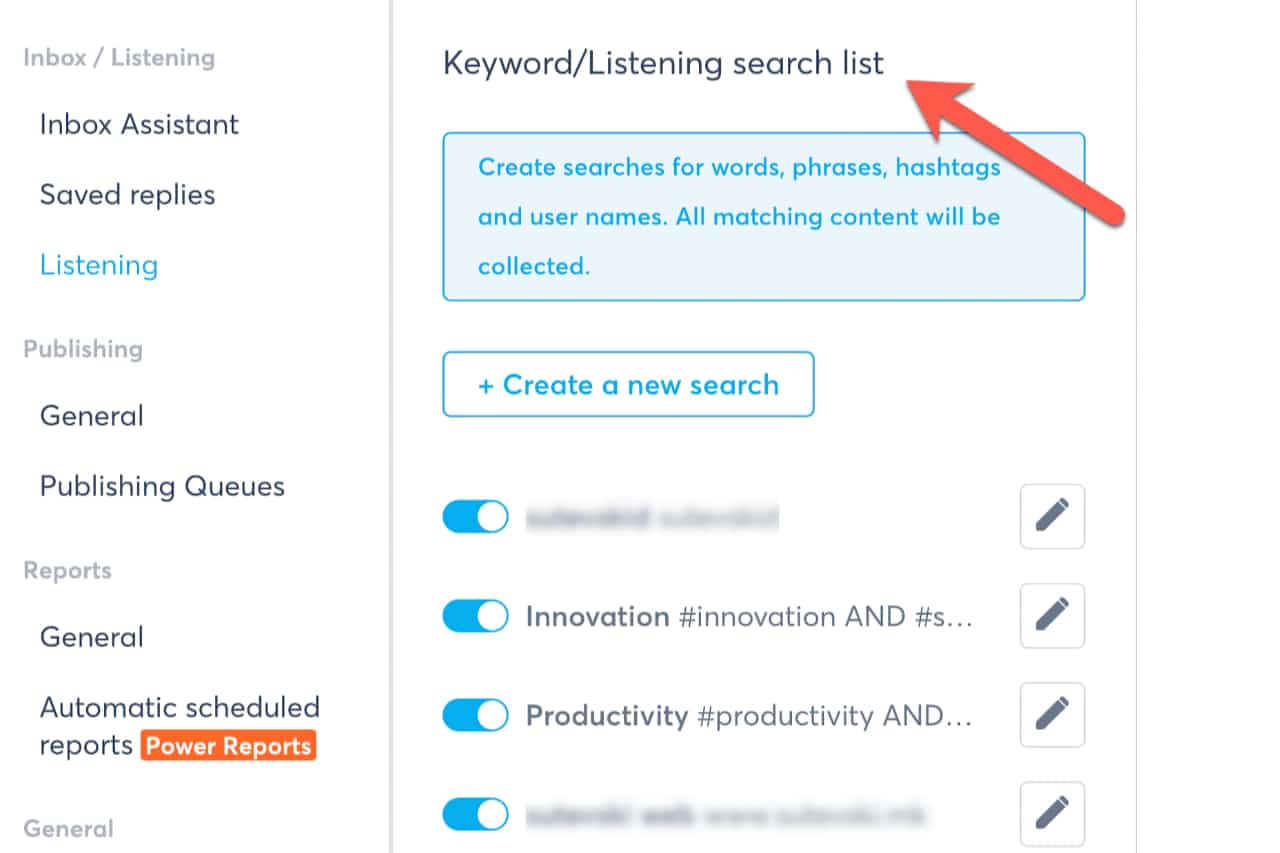
So, making a system that will give you the same information about everything you follow on your Google alerts is essential. For example, I am using AgoraPulse functionality for listening (screenshot below). Also, many other solutions like Hootsuite allow you to create streams related to listening keywords, brands, profiles, etc. In such a way, you can have several streams with the information shared by people that use some of the predefined criteria, like keywords.
By listening, you increase your knowledge and, on the other side, increase your business potential energy.
The Second Step is Learning – Entrepreneurial Knowledge Creation
As you already know, entrepreneurial knowledge is the second most important success factor for entrepreneurs. Without knowledge of many important things for managing and growing the business, you can not succeed.
When you listen, you are learning something from that listening. How will you know exactly what you need to say if you don’t listen first?
You need to listen to your customers, potential customers, competitors, everything about your and competitors’ products and services, all about your current and potential customers, etc.
You need that knowledge if you want to make the best decisions for your business.
Also, you need that knowledge if you want to make the best products and services that will satisfy your customers’ needs. Your listening process will bring you knowledge about what your customers need.
If you want to position yourself and your business one step ahead of the competition, you need that knowledge.
The Third Step is Action Taking
So, until now, you have your listening system in place, and you have started to learn something new every day. The question now is what we can do with our new knowledge. If we don’t implement it in our everyday work, we have not learned something important.
You need to be systematic with this approach. Here are some steps you can take to ensure that you will implement what was already learned:
1. Design all important systems, procedures, and manuals
Start by designing all crucial systems, procedures, and manuals related to learning, transforming what is learned into knowledge, and implementing the knowledge into practice. You need them because they will ensure that you and your team will repeat all necessary steps continuously. Without mistakes, or keep them at the lowest possible level.
2. Designate a specific time weekly or monthly
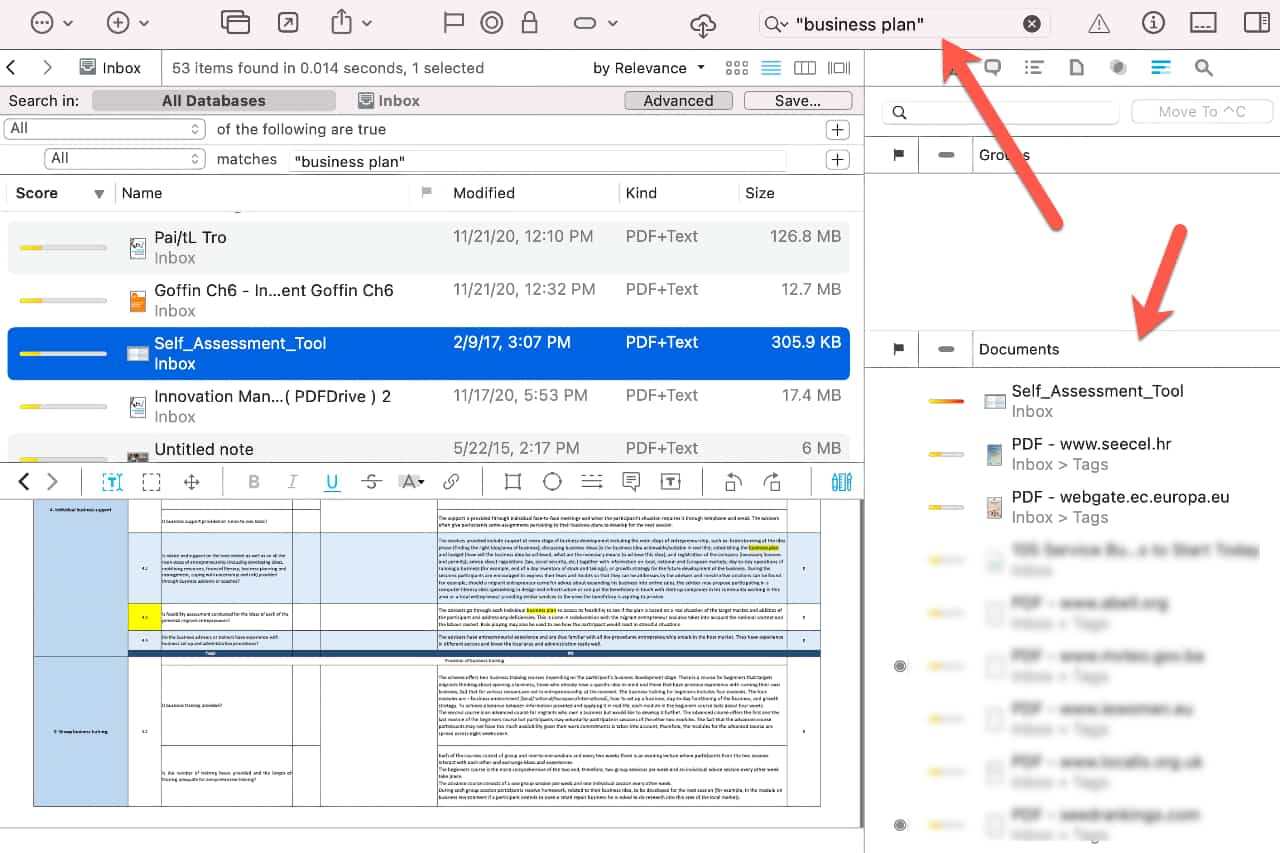
You will need to designate a specific weekly or monthly time to collect all the information from listening and start reading it. For example, DevonThink is a great place to put all the data you have collected through listening. The tool is great because you can easily record the information into the database and find it when needed.
3. Extract specific knowledge
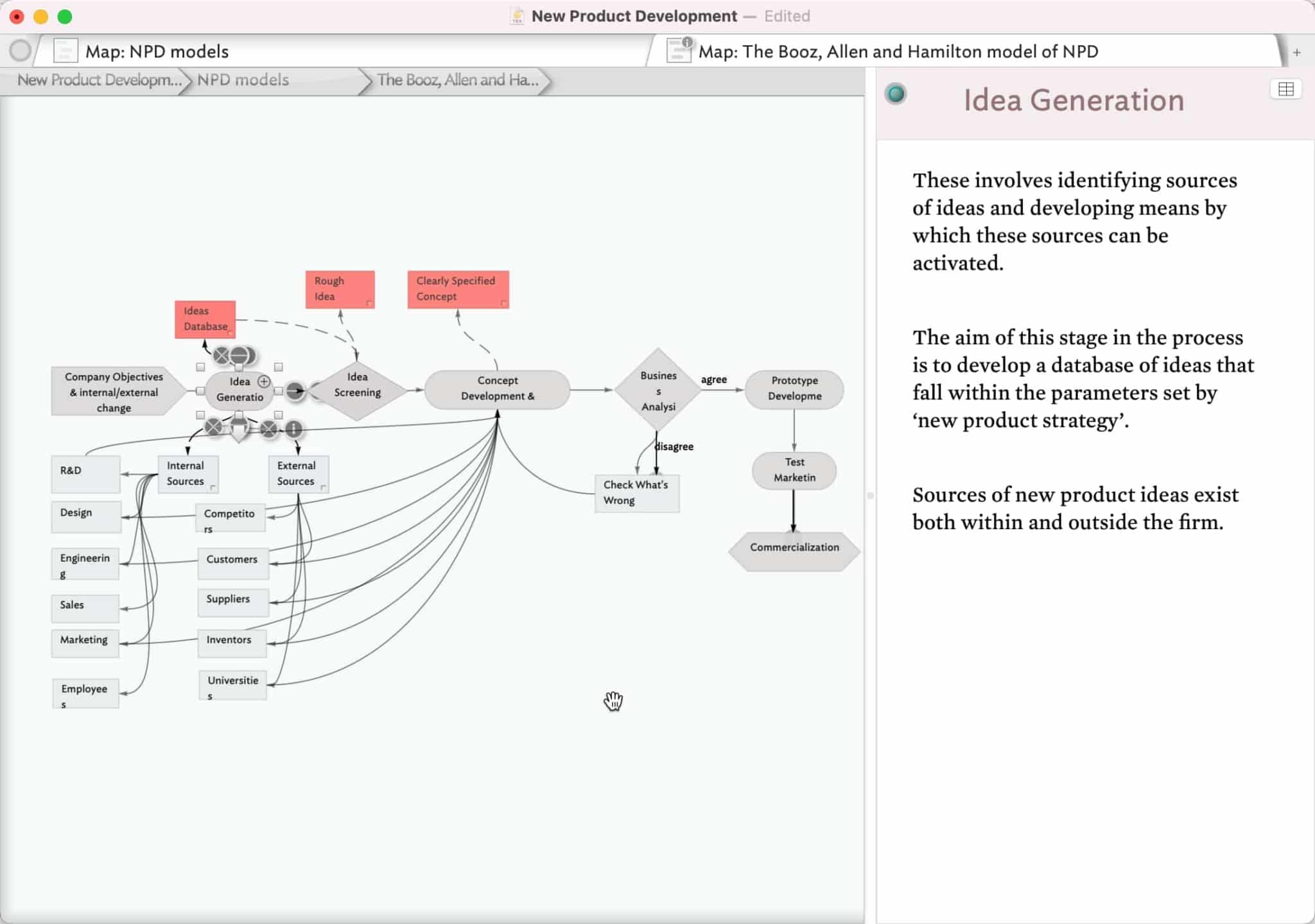
Extract specific knowledge (important information) from what you have read in the previous step. One great tool you can use related to knowledge creation is TinderBox (example in the screenshot below). You can put all your collected information and start bringing the structure. As you can see, conceptual maps are a great way to find relationships between different data points and their influence on each other. So, you can see the complete picture of different factors related to your small business.
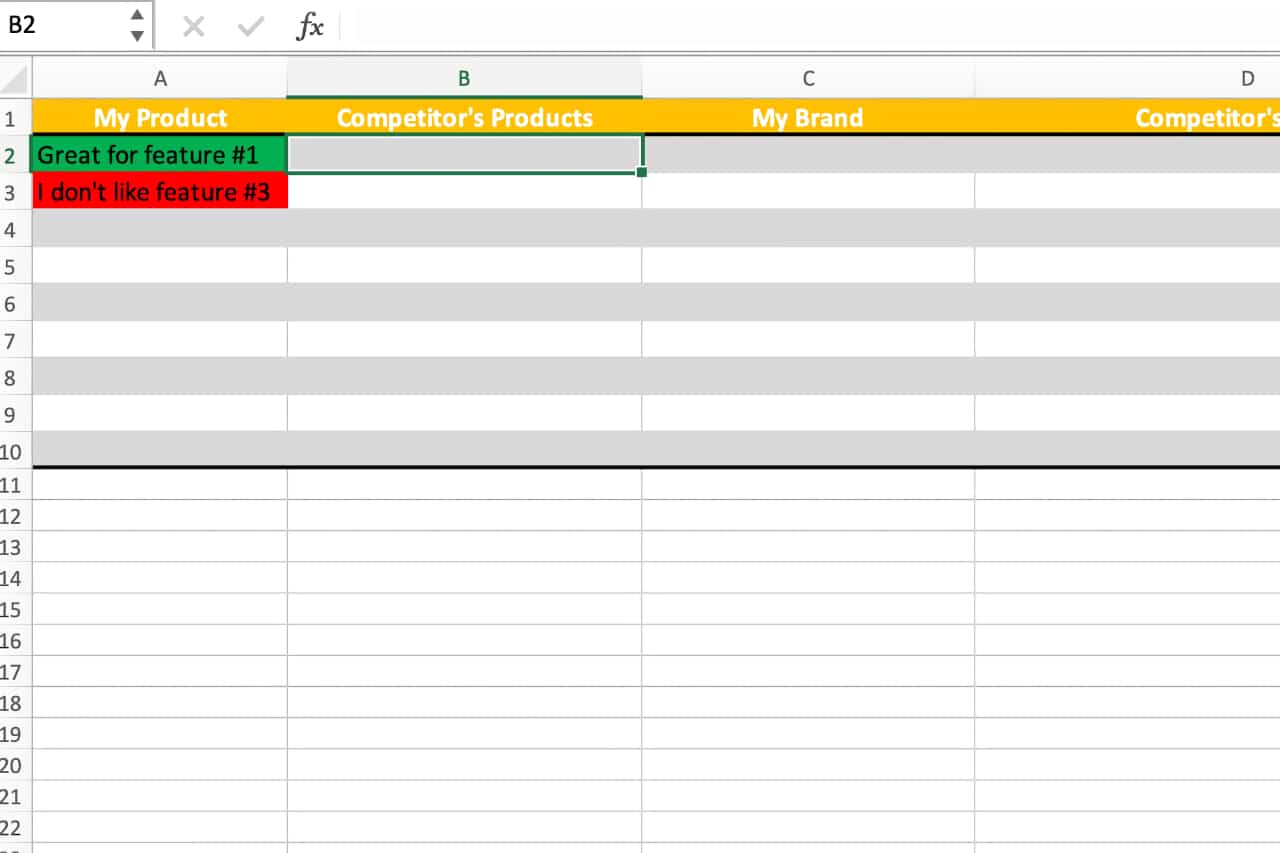
But, you can use whatever you want. For example, you can open one Excel file or Google Sheets and make columns for each topic where you will put extracted data with important information for your business. For example, your columns can be “your brand,” “your product,” “competitors’ products,” etc. Then, when you find the information that someone shares on social media about your product, you can write it in the cell on the “your product” column.
Write everything. Don’t escape those data that have negative sentiment related to your product. They are even more important than those with positive sentiments. While you will learn about what is good in your products or service through positive sentiment, you will also learn about negative things through negative sentiment. In such a way, you will learn what you need to improve on your products or services. You can even use colors for different cells related to sentiments. In such a way, you will have timely information about possible improvements in your products, processes, or even your business model.
4. Make an Action Plan
Now when you know many new things, it is the right time to do something about them. Make an action plan, but include steps you need to take and the due date when you need to implement them. You need to commit yourself to the implementation of your action plan. Remember, everything that you are doing here is because you want to improve your business and gain a competitive advantage.
5. Start With the Implementation and Continue to Learn
The last step here is related to the implementation. Simply, you need to implement all action steps from your action plan. This is important because you simply want to capitalize on your work until now. Without implementation, you will lose your time with everything else we talk about here.
But, it is not only about implementation. It is also about improvements and gaining new knowledge for the future. When you invest your time and money in something, you want to be sure that it will bring the results you want to achieve. So, you need to measure the performance of the outputs of your steps and learn how you can make more improvements to your business processes in the future.
✋ Warning
This week’s small business advice is: Start with listening. Build an effective system that will allow you to listen to everything around you and your business. Transform listening in knowledge and take future steps based on that knowledge.