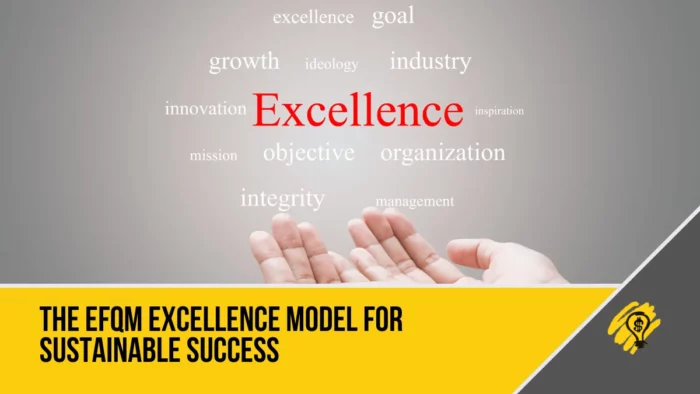

The EFQM model is a globally recognized management framework for organizations to drive sustainable success. The EFQM excellence model was developed by the European Foundation for Quality Management (EFQM), founded in 1989, with the help of industry experts and academia. The model was first time used to support the assessment of organizations for the European Quality Award in 1992 and later to help European organizations achieve excellence.
This is a really comprehensive model, a tried and tested framework for changes, and here we will try to explain it so you can start assessing your organization and implementing organizational changes.
📖 Key takeaways
- Many organizations struggle to achieve lasting success without a change management framework. Without a structured approach, they can’t identify strengths and weaknesses, align strategy to long-term goals, and continuously improve.
- Imagine your organization constantly having issues and being unable to identify the root cause of the problems or areas for improvement. Without a clear, cohesive strategy, you’ll have demotivated employees, dissatisfied customers, decreasing market share, and a cycle of declining performance and missed growth opportunities.
- The EFQM Excellence Model provides a framework for success. This holistic approach can help you identify areas for improvement, align strategy to long-term goals, and create a culture of continuous improvement. Use the RADAR logic to review and refine your processes so your organization remains agile, efficient, and competitive in a changing world.
What is the EFQM Excellence Model?
The EFQM (European Foundation for Quality Management) Excellence Model is a global model that helps organizations assess themselves and identify areas for improvement. Continuous improvement and long-term sustainability are the keys to success.
The European Foundation for Quality Management introduced the model in 1992 to promote quality management and excellence in European organizations. It is now one of the most used management models in Europe.
The model is based on continuous improvement and Total Quality Management (TQM) principles. It provides a holistic approach to organizational excellence, covering all aspects of an organization, including leadership, strategy, people, processes, and results.
The EFQM Excellence Model has nine criteria (five enablers and four results): leadership, people, policy and strategy, partnership and resources, processes, products and services, customer satisfaction, employee engagement, impact on society, and key performance results.

The enablers look at how an organization operates and are divided into “enablers for excellence” and “enablers for results.”
Why is the EFQM Model Important?
The EFQM Excellence Model looks at the organization as a whole, everything from leadership to strategy to people to processes to results in order to achieve competitive advantage.. By using this model, organizations can identify their strengths and areas for improvement and become more efficient and effective. It helps organizations to focus on long-term sustainability rather than short-term gains which will lead to a more stable and successful organization in the future.
Related: How to Build a Sustainable Competitive Advantage?
One of the main benefits of using the EFQM Excellence Model is that it provides a common language and framework for organizations to assess their current performance and plan for improvement. This means better communication and alignment within the organization and benchmarking against other organizations using the same model. Simply, the EFQM Model helps create a culture dedicated to improving an organization’s performance while remaining agile, adaptable, and future-proof. It is a valuable tool for organizations seeking to improve their operational performance and achieve sustainable value.
Also, by looking at all aspects of the organization, from leadership to results, the EFQM Model encourages a holistic approach to management. All areas are equal, so it’s a more balanced and sustainable organization.
Using the EFQM Model also benefits organizations by increasing transparency and accountability. The model encourages regular reviews, sharing of performance results with key stakeholders, and a culture of openness and trust.
And using the EFQM model can improve employee engagement and motivation. When employees are involved in the assessment process and given the opportunity to contribute to organizational improvement, they feel more empowered and connected to the organization’s goals.
Main Components of the EFQM Model
The EFQM Model consists of nine criteria, as we explained above, subdivided into five enablers and four results, for managing change and improving performance.
Let’s look at both enablers and results.
EFQM Model Enablers
The Enablers section of the EFQM model refers to what an organization does to achieve outstanding results. It consists of five components:
1. Leadership
The EFQM Model emphasizes the importance of leadership and culture in driving performance improvement and achieving sustainable excellence. The model recognizes that leadership and culture are critical components of an organization’s success and provides guidance on how to develop and improve them.
This enabler of the EFQM model includes the vision, values, and ethical behavior of top management. Leaders must be committed to continuous improvement, lead by example, also create a positive working culture and inspire employees to excel.
2. People
The organization’s people are its most valuable asset. They should be engaged, empowered, and developed to achieve their full potential. So, this component focuses on the development and involvement of people within an organization. It includes employee satisfaction, motivation, training, and development. People are considered the key asset in achieving excellence.
3. Policy and Strategy
A clear strategy is essential for success. It should align with the organization’s purpose and guide decision-making at all levels. Because of that, this component refers to how an organization sets its goals, manages its resources, and creates strategic plans to achieve success. It also involves monitoring performance, adapting strategy execution and sustainable value creation.
4. Partnerships and Resources
Building strong partnerships and effectively managing resources are crucial for sustainable success. This component looks at how organizations build relationships with their partners, suppliers, and other stakeholders to improve performance. It also considers how resources are allocated effectively to support organizational objectives.
5. Processes, Products and Services
Organizations should have efficient processes in place to deliver high-quality products and services that meet or exceed customer expectations. So, the final enabler focuses on the processes used by an organization to achieve its goals. This includes the development and improvement of products and services, as well as simplifying operations for maximum efficiency.
EFQM Model Results
The Outcomes section shows the results of the work on the enablers of the model. The outcomes in the EFQM model are:
6. Customer Satisfaction
Customer satisfaction is one of the components of the EFQM model that measures how the organization can meet or exceed customer expectations. This can be measured through surveys, feedback forms, or other means to gather customer opinions and preferences. Organizations can ensure they meet customer needs and build loyalty by continuously monitoring and improving customer satisfaction.
7. Employee Engagement
Employee engagement is also key to organizational success. Engaged employees are more likely to be motivated, productive, and committed to the company’s goals. The EFQM model measures employee engagement through factors such as job satisfaction, communication effectiveness, and training opportunities. High employee engagement leads to better overall performance and innovation within the organization.
8. Impact on society
In today’s world, organizations must have a positive impact on society and the environment. The EFQM model takes this into account by assessing the organization’s responsibility to its community, key stakeholders, and the environment. This can include corporate social responsibility programs, environmental sustainability initiatives, and ethical business practices.
9. Key Performance Results
In the end, an organization can be measured by its business results. The EFQM model measures an organization’s financial performance, market share, profitability, and customer retention rates to determine success.
The EFQM model is a comprehensive framework for continuous improvement and success. It uses nine criteria to assess organizational excellence and a holistic approach to excellence in all areas of the organization, including its community, stakeholders, and the environment.
The RADAR Logic

The RADAR logic, which stands for Results, Approach, Deployment, Assessment, and Refinement, is a supporting tool to help organizations implement the EFQM model effectively. It provides a structured way to assess an organization’s performance and results based on the nine criteria and identifies areas for improvement.
Results
When it comes to results in RADAR, you must respond to the following questions:
- What are your organization’s key results?
- How do these results align with your strategic objectives?
- How well have you achieved them?
- What are your trends over time?
These questions help you to evaluate your organization’s performance by identifying key results and measuring their progress towards achieving them.
Approach
The approach section focuses on how your organization plans and executes its strategies to achieve its key results. This involves understanding the organization’s mission, vision, values, and objectives and aligning them with the overall strategy. It also includes identifying processes, resources, and capabilities for successful implementation. Here, you must respond to the following questions:
- What is your organization’s overall strategy?
- Why this particular strategy?
- How does it align with your key results?
- What processes and resources do you have in place to achieve these results?
To answer these questions, start by considering your organization’s overarching strategy. This could include its mission statement, vision for the future, and core values that guide decision-making.
Deployment
Deployment is where you execute the approach you defined in the previous step. It’s assigning responsibilities, timelines and monitoring progress towards key results. Deployment is where strategies are executed efficiently, and resources are used effectively.
The questions you need to answer in the deployment section are:
- Who will execute the chosen strategies?
- How will responsibilities be distributed among team members?
- What is the timeline for each strategy?
- How will progress be tracked?
- Are there any contingency plans in place for unexpected challenges or roadblocks?
Assessment
The assessment section in RADAR logic evaluates progress, identifies areas for improvement and tracks results. This is important because you need to know if strategies are working and if they are meeting their objectives. You need to establish key metrics and benchmarks to measure progress before you implement the chosen strategies.
The questions you need to answer for the assessment section are:
- How will you measure success?
- What metrics will you use to track progress?
- Are there specific benchmarks or goals to be reached?
- How often will progress be reviewed and adjusted?
- Who will monitor and report on progress?
- Are there any tools or software to help track and analyze data?
- How will results be communicated to stakeholders and team members?
Answering these questions can help you develop a clear plan for assessing the effectiveness of your strategies and making necessary changes to improve performance.
Refine
The refine section in RADAR logic is where you evaluate and improve your strategies. This is where you get feedback from stakeholders and team members and assess any changes or updates made.
The questions to answer here are:
- How did your strategies work?
- Were there any unexpected issues or barriers?
- What can be improved?
Implementing the EFQM model and RADAR Logic will help organizations create a culture of excellence that drives their success and growth. By prioritizing innovation, employee development, customer satisfaction, social responsibility, environmental sustainability, and ethical business practices within their operations, an organization will achieve long-term success in today’s fast-changing business world.
Example for Implementing Quality Management System
For example, you want to implement a new quality management model through the EFQM model. Here are the key questions you would need to address for all RADAR components:
- Results
- What are the specific results and objectives your organization aims to achieve with the new quality management model?
- How will you measure and quantify the success of these objectives?
- Are these results aligned with your organizational strategy and values?
- How will you ensure continuous improvement based on the results obtained?
- Approach
- What processes and methodologies will be employed to achieve the desired results?
- How will resources be allocated to support these processes effectively?
- What training programs are in place to ensure the team is equipped with necessary skills?
- Deployment
- What is the detailed plan for implementing the quality management system?
- Who will be responsible for different aspects of the deployment?
- How will you communicate the changes to all stakeholders?
- How will you monitor and track the progress of the deployment process?
- Assessment
- How will you assess the performance against the predefined results?
- What mechanisms are in place to gather feedback from internal and external stakeholders?
- How will you analyze the data collected during the assessment process?
- How will you address any deviations identified during the assessment?
- Refine
- How often will the quality management program be reviewed for its effectiveness?
- What lessons have been learned from previous reviews and assessments?
- How will you adapt the system based on review outcomes?
- How will stakeholders be involved in the review process?
Business Matrix Assessment Tool
Self-assessment is a key part of the EFQM Model. You can use the EFQM Model to self-assess and evaluate your company’s performance.
One of the key self-assessment tools for implementing the EFQM model is the Business Matrix Assessment Tool. This tool helps organizations assess their current performance and identify areas for improvement.
Before implementing the EFQM model, an organization may struggle to evaluate its performance in a systematic manner. With the assessment tool, however, it becomes easier to understand strengths and weaknesses across all aspects of your business operations. This allows you to develop targeted strategies for performance improvement and track progress over time.
The tool assesses various aspects of an organization based on the nine EFQM criteria through a scoring system to measure their alignment with the EFQM excellence principles. Scores provide insights into areas of strength and opportunities for improving performance.
You can check EFQM AssessBase, where you can find different assessment tools:
- EFQM “Foundation Level” Questionnaire
- Business Matrix Assessment
- Business Matrix Advanced Assessment Tool
For other change management frameworks, you can check the following:
- ADKAR model
- Organizational Development (OD)
- The Bridges Transition Model for Effective Change Management
- Change Equation: Managing Complex Change in Your Company
- Burke-Litwin Change Model for Effective Change Management
- Lewin’s Change Management Model
- Kotter’s 8-Step Change Model
- The Diagnostic Model of Organizational Change?