As an entrepreneur, you need to learn about customers as much as possible if you want your business to succeed. But do you really know your customers in the way they need to be understood? What can you do to become closer to your most important customers?
Why your customers have already chosen your product instead of the competitor’s products? Why do they use your product in such a way how they use it? Or, why will your customer pay you that amount of money instead of another? Why do your customers talk to you? Why do your customers have exactly that problem or need?
📖 Key takeaways
- Customers are people like everyone else who have their own unique needs to solve specific problems or satisfy specific needs. If you don’t know what they want, you can not expect that you will achieve business success.
- You must learn about your customers. How quickly you set up a systematic approach to collect customer data, analyze them, and use this intelligence in the decision-making process, the more quickly you will achieve success.
Why Do You Need an Answer to This Question Related to Your Customers?
Many questions will come to your mind from this simple question from the title of this post: why do your customers do what they do?
Yes, why do you need to answer this question? Why do you need to know why they do what they do?
There are three important reasons.
The first is gaining intelligence for your existing customers, the next is understanding the target audience better, and the third is understanding your buyer personas.
The first reason is that you will learn more about your current customers, and the second reason is that you will better understand your target market and bring more customers inside your sales funnel. Also the third reason will help you learn what you need to do to satisfy your existing customers and attract new customers for your small business.
1. Intelligence for Customers
Your job as an entrepreneur is to get as much intelligence about your current and potential customers as possible if you want to clearly understand why they do what they do.
Intelligence is the output of your intelligence or analytical process that presents actionable knowledge. It is not a theory, but it generates insights about your customers that will form your action steps.
Because of that, market research is an essential part of your small business processes. To start generating intelligence about customers, you must start with a market research process to define your target market and audience, as well as learn more about competition and competitors’ customers in order to achieve a strong competitive edge.
Additionally, having comprehensive contact information allows you to easily access and update records, create detailed customer profiles, and improve customer relationship management.
2. Understand Your Target Audience

Understanding your target audience is crucial for your business to succeed. It involves collecting as much as possible information about their demographics, interests, behaviors, and preferences.
Knowing your target audience, you can improve your marketing campaigns, products, and services to meet their needs. This targeted approach not only increases the chances of attracting new customers but also will help you retain loyal customers who feel understood and valued.
A well-defined target audience allows businesses to focus their efforts on the most valuable customers, ultimately leading to significant business growth and success.
3. Create and Understand Your Buyer Personas
You can start describing your customers and create unique buyer personas using the intelligence we described previously.
The buyer personas is a tool that helps you visualize and understand your ideal buyers, or better said, customers with a high level of purchase intent. It includes the characteristics, behaviors, and preferences of your target market, allowing you to adjust your marketing strategies accordingly.
Related: How to Find Customers With the Right Purchase Intent

When you work on your buyer personas, it’s essential to collect data from various sources, such as customer surveys, social media demographics, and website analytics. This information will help you create a detailed profile of your target audience, including their age, gender, location, income level, interests, hobbies, and buying habits.
Once you clearly understand who your customers are, you can use this knowledge to craft personalized messages and offers that will resonate with them. By targeting specific segments within your overall audience, you can address their pain points and provide solutions that they truly need.
If you succeed in deeply understanding your buyer personas, relying on their real needs, frustrations, emotions, drivers, beliefs, and capabilities that influence their decision-making process, you will be much closer to success for your whole company.
Additionally, you can use cloud-based CRM solutions to help you efficiently store large amounts of customer data, providing a centralized database for effective customer relationship management.
Related: 11 Steps to Create Buyer Personas to Target the Right Customers
How You Can Learn More About Your Customers?
But how can you learn about other people – your current and potential customers? Is it easy and achievable actions for you as an entrepreneur?
One of the biggest problems you can find is that you don’t have enough knowledge to help you do this very difficult job. It is not a problem only for you but for all entrepreneurs.
The customers that you already have are much easier to analyze and predict because you can already talk with them; you can also ask questions and analyze their different behaviors based on your action steps.

But, again, to succeed in today’s highly dynamic world, you will need to collect more and more intelligence about the most important persons for your business – your customers. Because of that, you will need to use different tools that will help you base your knowledge and your next action steps when it comes to your small business.
Remember that understanding your customers better can lead to more sales through strategies like upselling and cross-selling.
For example, social media can be a great starting point to start gaining additional knowledge. You will collect data that you don’t have inside your database.
Analyzing your potential targeted customers, what they are doing, why they are doing it, and how they are doing something will bring you important insights for your potential customers.
1. Collect and Analyze Customer Data
Customer data is a powerful tool for businesses that want to understand their customers better. It provides valuable insights into customer behavior, preferences, and needs.
By collecting and analyzing these data, you can easily identify patterns, trends, and customer pains, enabling you to make the right decisions about your marketing strategies, product development and improvements, and customer service.
Using these data effectively can help you to increase customer satisfaction, loyalty, and retention. This, in turn, drives growth and success by ensuring that the products and services offered are totally aligned with what customers expect and need from your business.
2. Consistently Deliver Good Customer Service
Delivering extraordinary customer service is essential for building strong relationships with your customers and collecting data about them.
It involves providing timely, personalized, and effective support to address all possible customer concerns and needs. Customer service representatives must be empathetic, knowledgeable, and proactive, ensuring that customers feel valued and appreciated.
You can increase customer satisfaction, loyalty, and retention by delivering extraordinary customer service. Communication on an everyday basis with your existing customers who will require a specific type of support will give you first-hand data about them.
So, customer service not only leads to positive word-of-mouth but also contributes to your company’s growth by generating a loyal customer base that continues to support and advocate for the business.
3. Build Strong Relationships With Customers
Building solid relationships with your customer base is critical for your business success. It involves creating a personal connection with them, understanding their needs and preferences, and providing solutions totally according to their own needs.
By building strong customer relationships, you can increase customer loyalty, retention, and advocacy. This, in turn, drives growth and success.
Remember that such relationships also enable businesses to collect valuable feedback, identify pains, and continuously improve their products and services to meet customer expectations better.
Related: 50 Recommendations to Build Long-Term Customer Relationship
4. Ensure You Have Customer Engagement Strategies in Place
Customer engagement strategies are designed to attract, retain, and satisfy customers. They involve creating personalized experiences, offering relevant content, and providing timely support.
Effective customer engagement strategies can significantly increase customer satisfaction, loyalty, and retention. By engaging with customers, businesses can gather valuable feedback, identify pain points, and improve their products and services.
Some strategies include social media marketing, email marketing, content marketing, and loyalty programs. These strategies not only enhance customer experience but also drive growth and success by ensuring that customers remain engaged and satisfied.
5 Recommendations on How to Know Your Customers
Simply put, if you want to know your customers better, follow these five recommendations.
1. Talk to Your Customers
If you want to know your customers, always talk to them to collect necessary information, increase customer engagement, and record their answers.
You will need to communicate with your existing customer base and learn as much about them as possible.
First, define all contact points where you have open communication with them. For example, your sales team communicates with them on an everyday basis. Your marketing team communicates with potential customers. Customer service adds additional value with information about possible problems, frustrations, and pains they have, in addition to extraordinary customer experience.
As you can see, you already have many existing sources of information that generate data about customers to learn more.
You can also conduct surveys, interviews, and focus groups to collect information about specific topics related to your customer base.
2. Talk with all your employees about providing good customer service
Always talk with all your employees about what they know about the customers.
You should centralize comprehensive contact information if you want to enable easy access and updates in order to create detailed customer profiles and improve relationship management. Use their knowledge and experience and make it sharable to other team members inside your small business. You want all your employees to know what your customers want and use this knowledge in their part of the job.
Use social media to analyze and predict customers’ behavior. I have already mentioned that social media tools can be essential tools to collect data for your current and potential customers. Design listening processes using tools like Hootsuite or Agorapulse. You can add keywords you want to track, and in such a way, you will get different data from social media accounts that talk about the topic of interest for you.
3. Use other tools to gather customer data
Yes, you can use other tools that will enable you to record and find different intelligence about your current and potential customers. For example, you can use some of the email marketing tools to ask questions or send surveys. These will give you additional information about your customers.
Also, cloud-based CRM solutions can help you efficiently store and manage vast amounts of customer data.
You can use the Google Keyword Planner Tool to analyze different search phrases that your current and potential customers use when they are searching for something on Google.
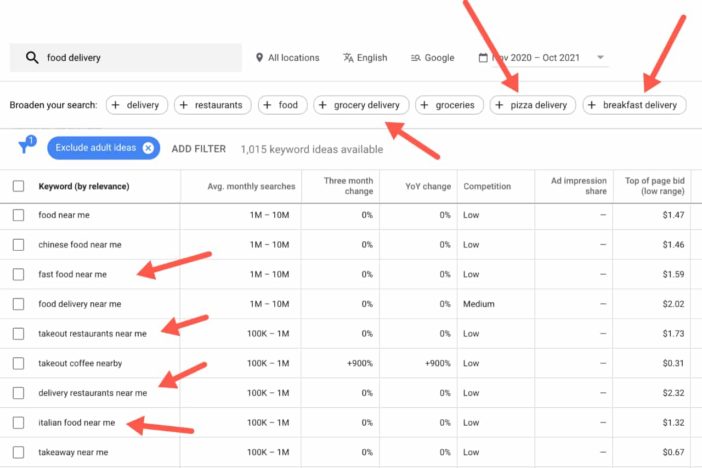
For example, if your business’ main product is food delivery, you can select the region where your company operates and analyze what people are searching for when it comes to food delivery. For example, you can see what type of food they are searching for, like Italian food, Chinese food, Pizza, breakfast delivery, and so on. Play with this tool, and you will find many different things that you can include in your offer.
4. Incorporate Customer Listening Process
Listen to them and proactively change your offer according to their needs and wants. You must keep an eye on industry trends and customer feedback to stay ahead of the competition. Use social media, surveys, and focus groups to gather valuable insights from your customers.
When you build listening processes, you can start with the help of Empathy Map, which will guide you through answering several important questions:

Related: 10 Steps to Better Understand Customer Needs and How to Meet Them
5. Monitor Your Online Reputation
Today, in the age of online reviews and ratings, it’s important to keep a close eye on your company’s reputation. Make sure to regularly check review sites like Yelp, Google Business Profile, and TrustPilot for any feedback from customers.
Here is an example of customer appreciation that is mainly related to response time. So, if you find such reviews for your company or your competitors, you will know that customers value response time.

Here is an example of customer appreciation that is mainly related to response time. So, if you find such reviews for your company or your competitors, you will know that customers value response time.

When you respond promptly and professionally to both positive and negative reviews, you can show that you value customer feedback and that your business is dedicated to providing excellent service.